Centro Studi Casnati is currently working, as a partner of Koinè Social Cooperative, on the project “Scarto… ma non troppo! Studenti protagonisti contro lo spreco alimentare” (“Waste… But Not Too Much! Students Taking the Lead Against Food Waste”), selected by ERSAF – Regional Agency for Agriculture and Forestry Services of Lombardy Region under the 2026 call for proposals on agri-food education.
The project ranked second in the regional evaluation and was awarded a grant of approximately €30,000.
Coordinated by Koinè Cooperativa Sociale Onlus, the initiative builds on the cooperative’s long-standing experience in agri-food education, food waste prevention, and the promotion of sustainable lifestyles.
The role of Centro Studi Casnati goes beyond that of a school participating in the educational activities. It also acts as the project’s sole institutional partner, contributing from the co-design of the proposal through to the implementation of the planned activities and outputs.
Centro Studi Casnati’s contribution consists of making available the Education for Sustainable Development (ESD) model developed through Casnati for ESD, together with the experiential learning environments of the “Gianni Brera” Hospitality Institute, its multidisciplinary professional expertise, and its well-established network of collaborations across the local community.
From Education for Sustainable Development to Agri-Food Education
Within the model developed through Casnati for ESD, the different dimensions of sustainability are not addressed as separate fields, but as components of a single educational system.
Agri-food education represents a space where the protection of natural resources, responsible consumption, the circular economy, health, active citizenship, social inclusion, and the enhancement of local communities converge.
The ERSAF project, therefore, represents a natural application of the Education for Sustainable Development approach, engaging students in the design and production of educational toolkits, multimedia content, communication materials, and other outputs intended for the dissemination of the project.
Real-World Learning Environments
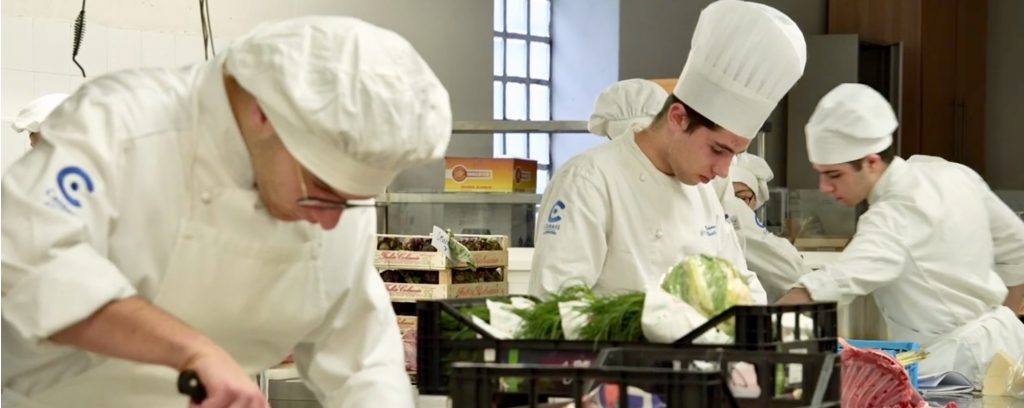
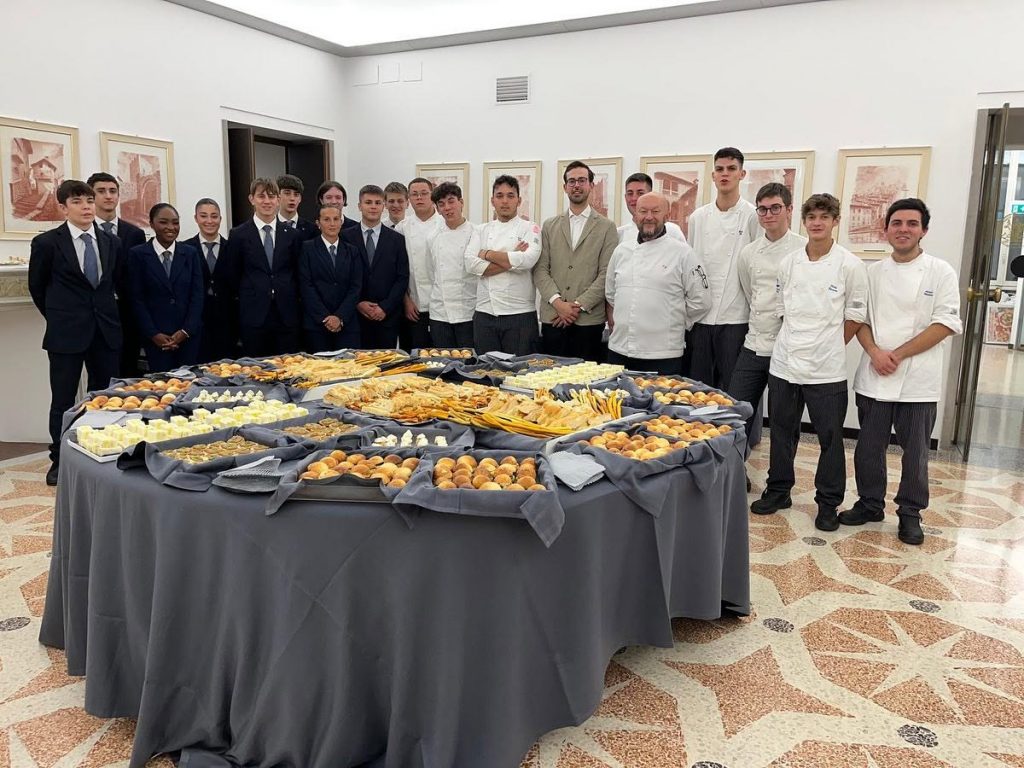
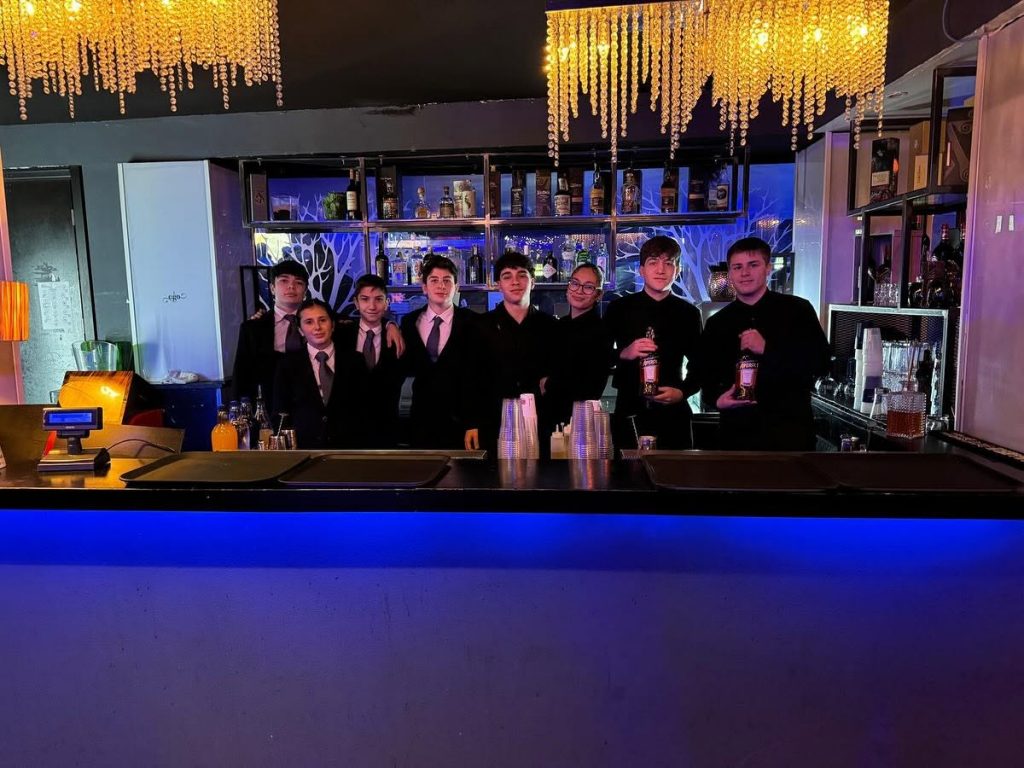
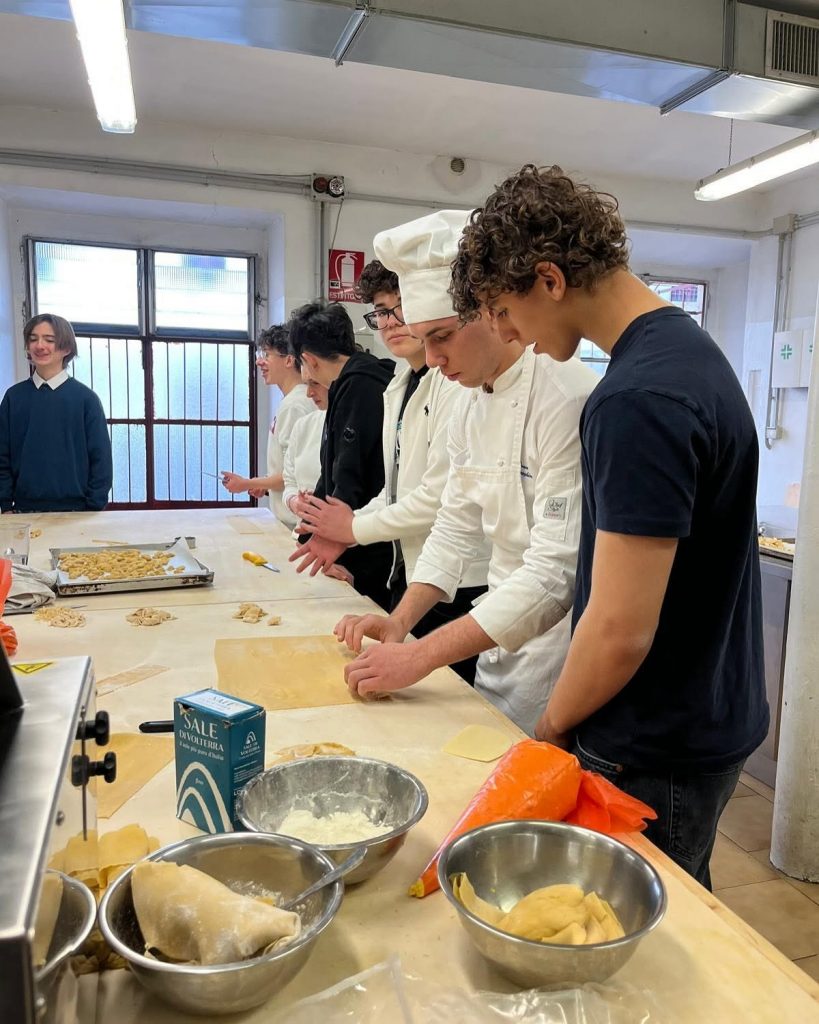
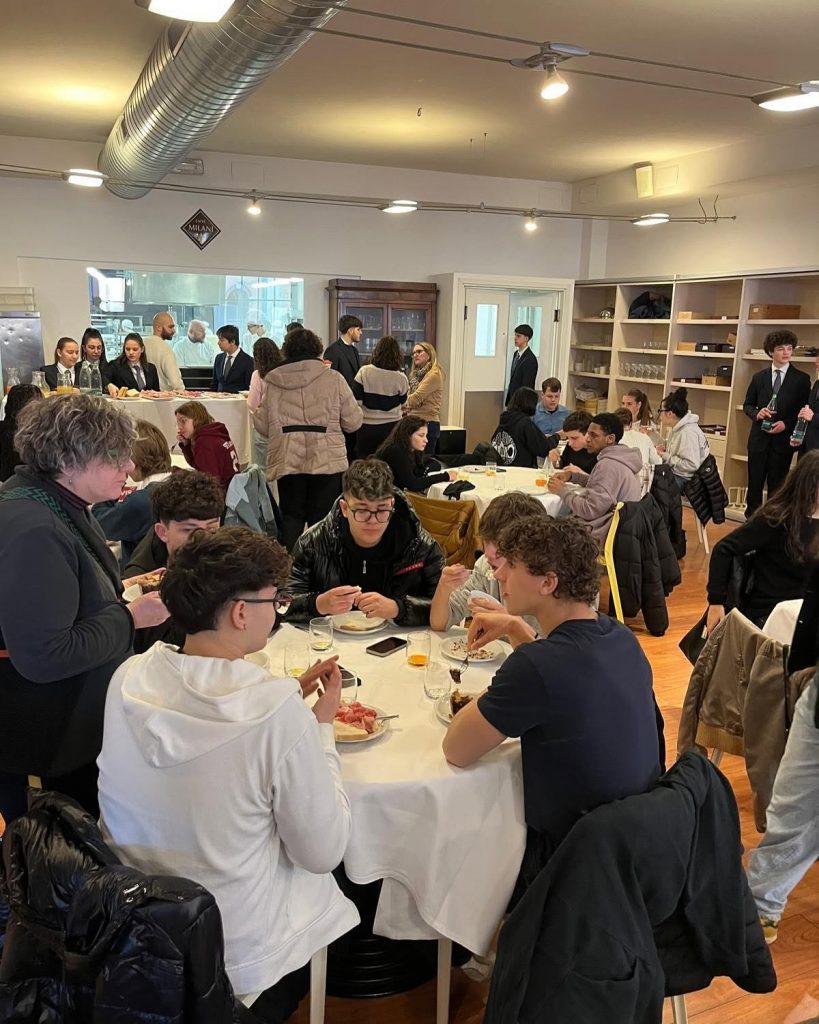
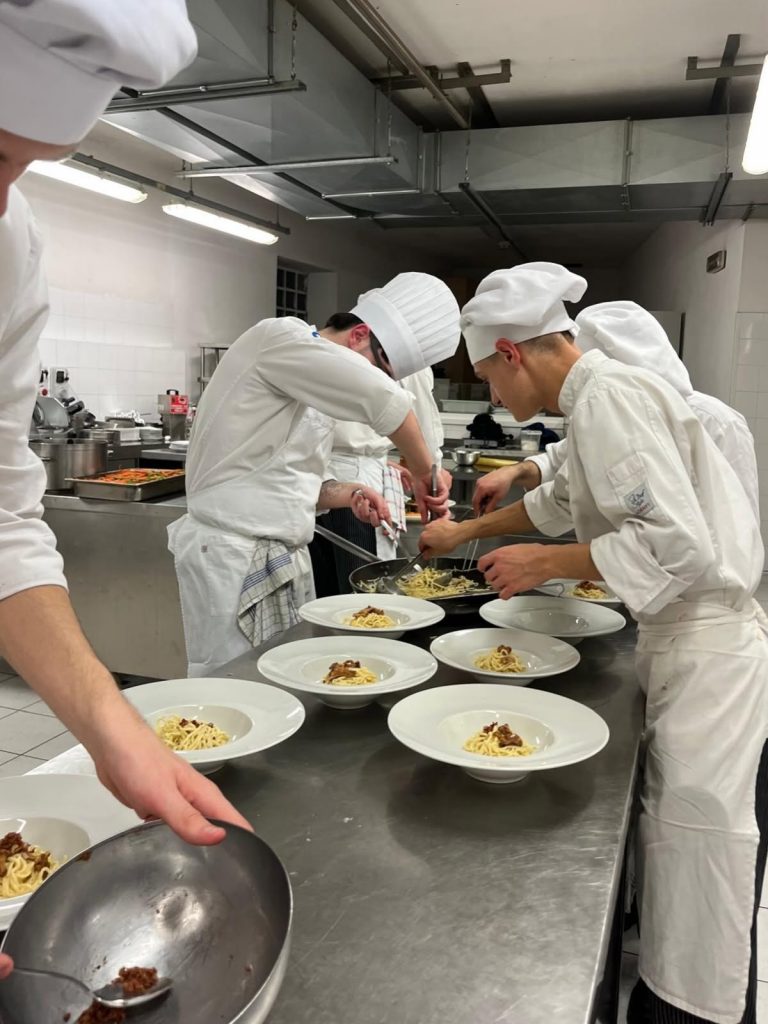
One of the defining features of Centro Studi Casnati’s contribution is the presence of a structured food education system in which learning takes place every day within real-world learning environments.
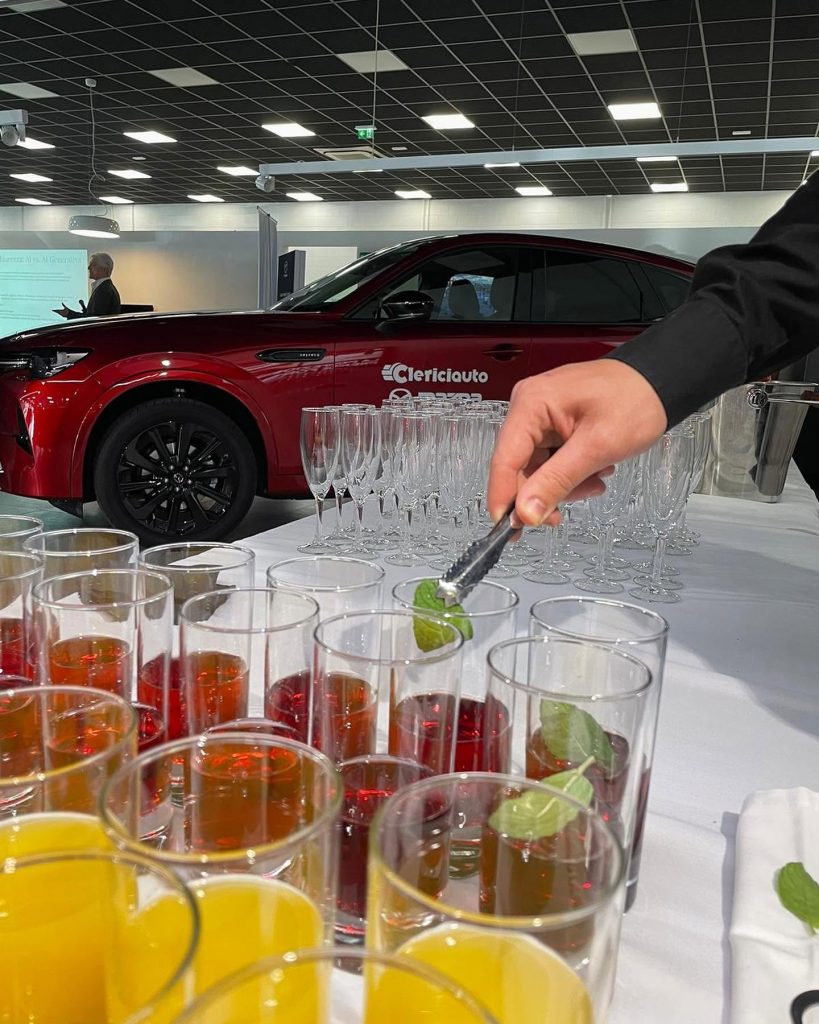
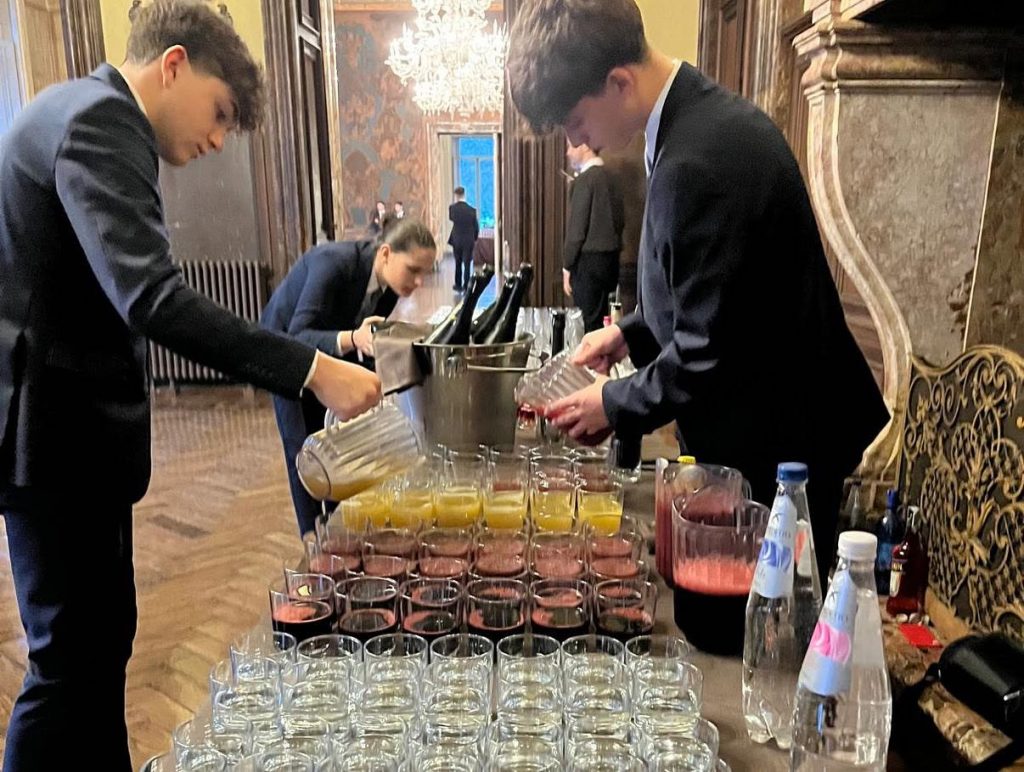
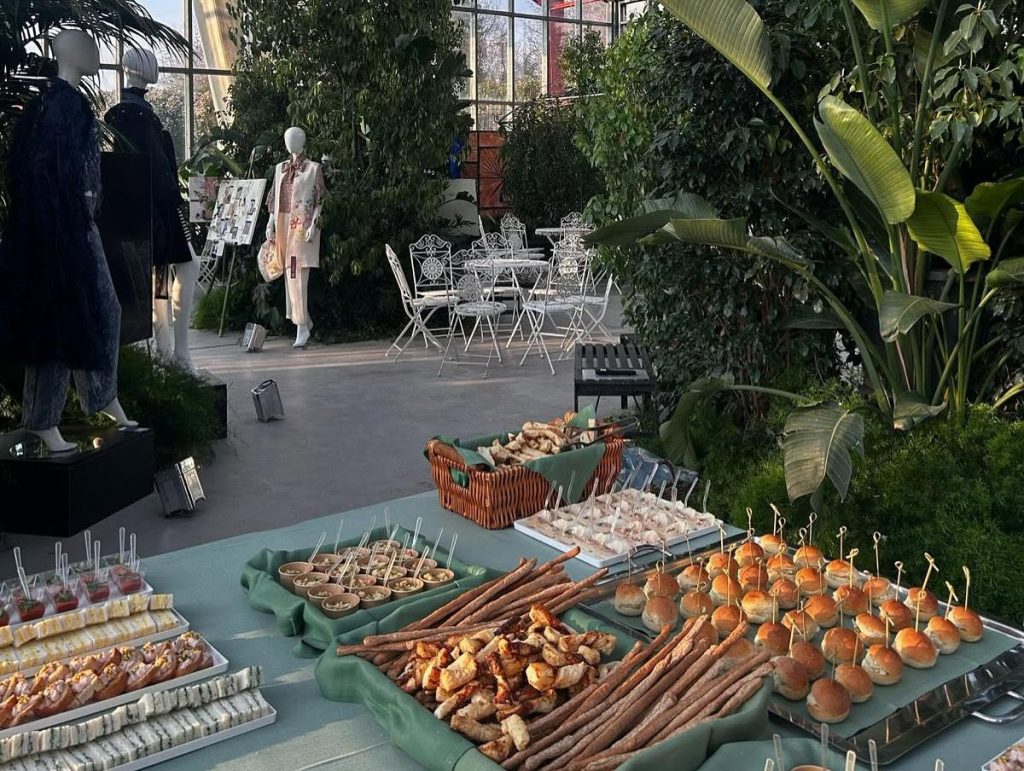
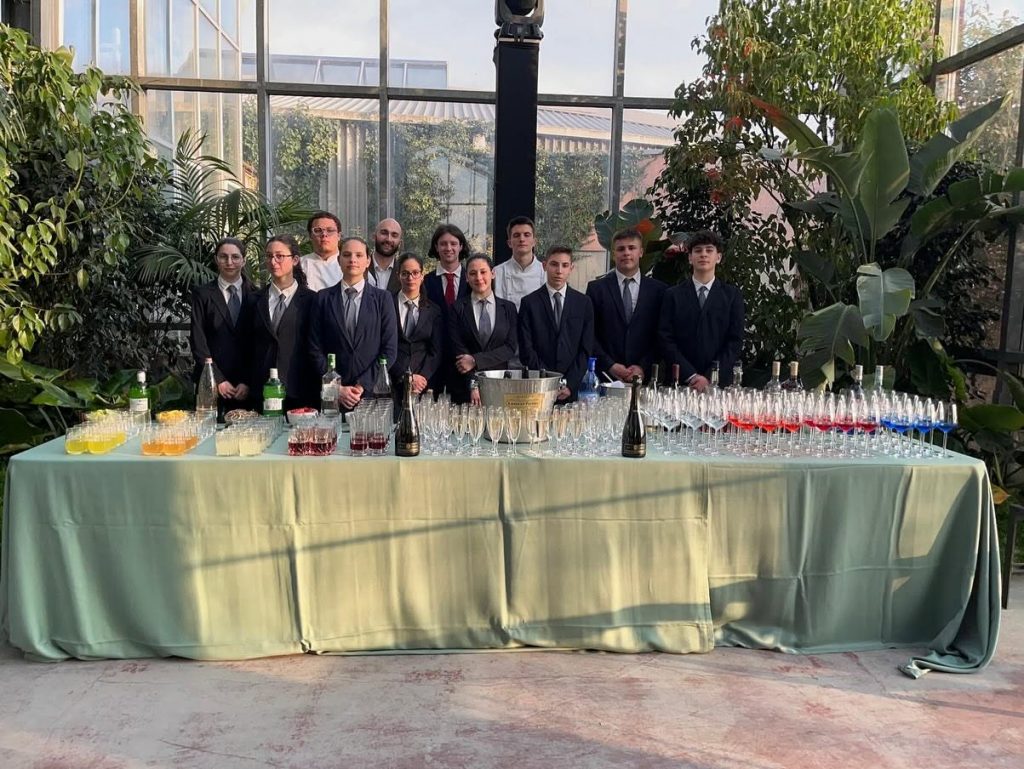
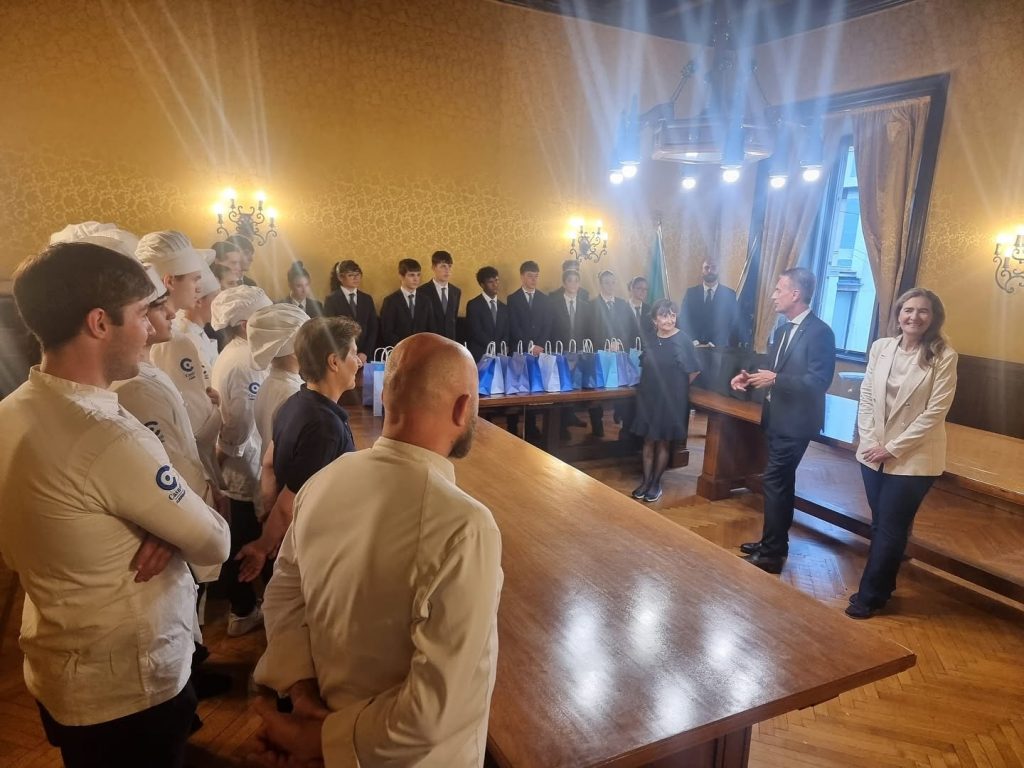
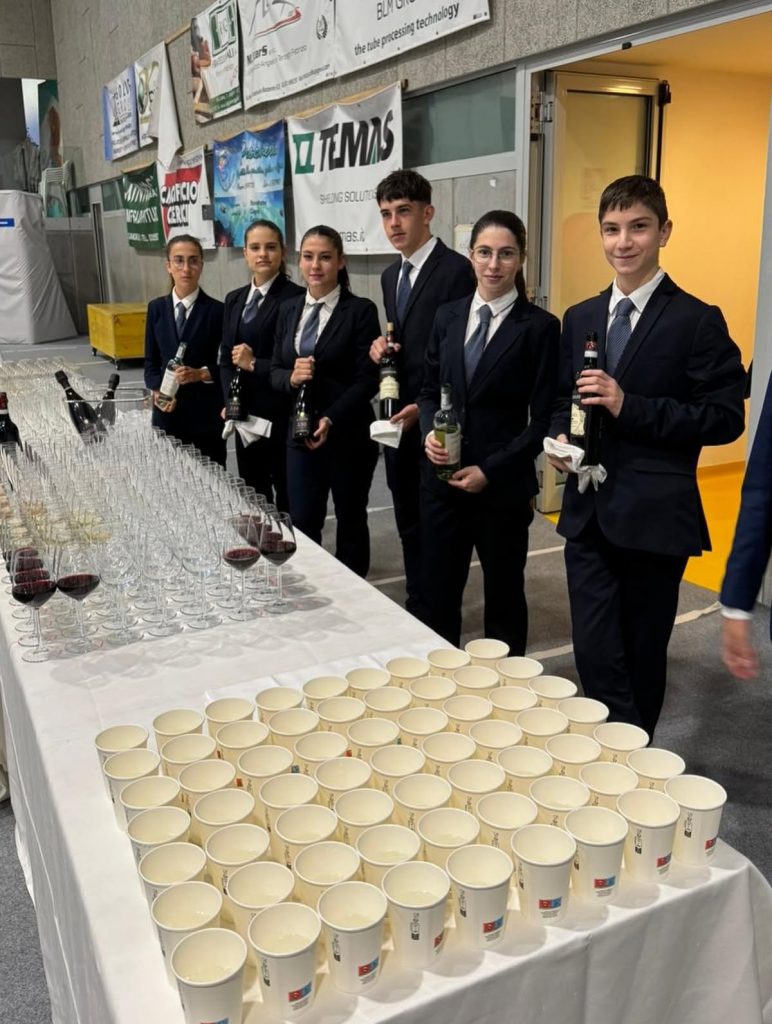
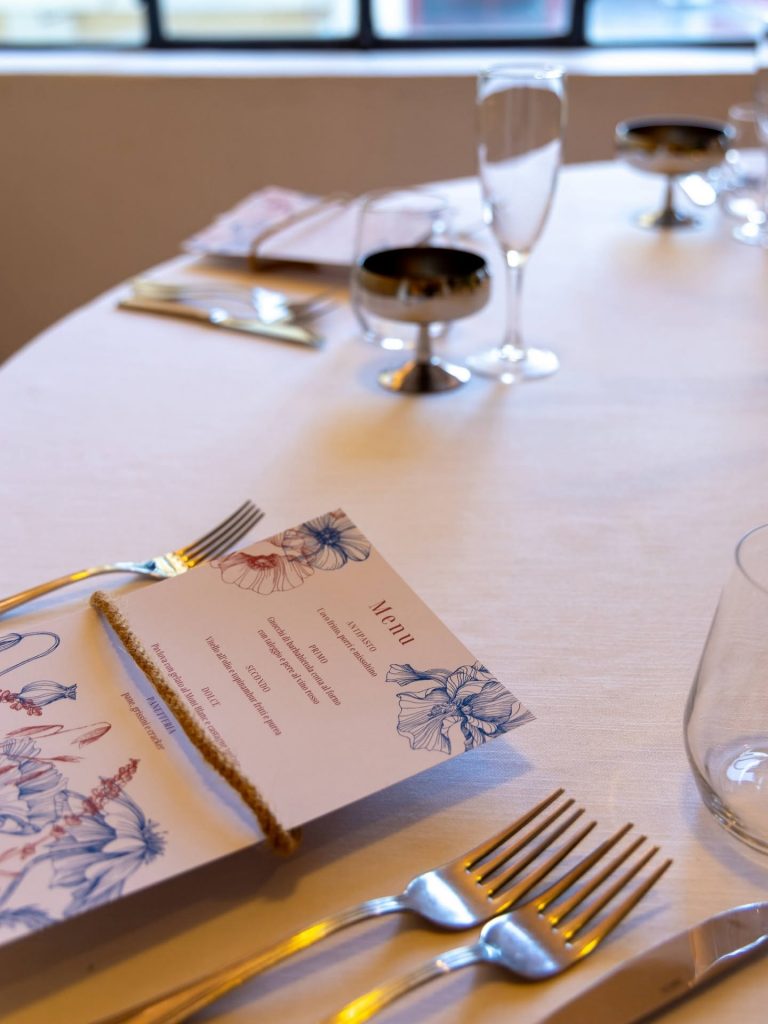
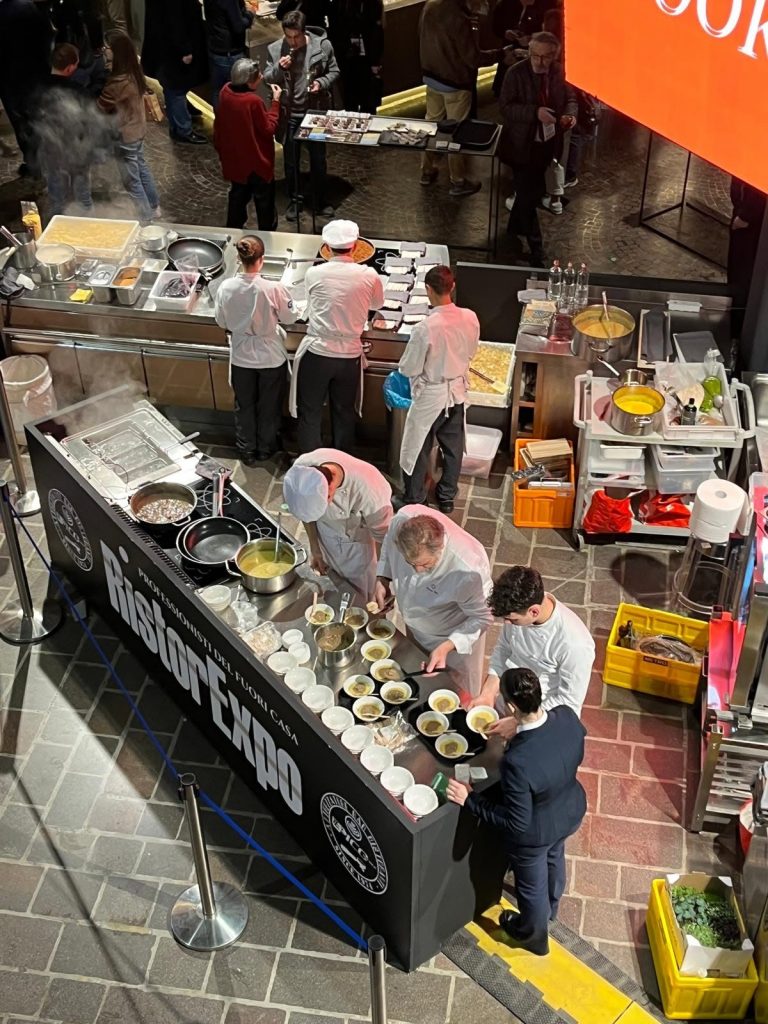
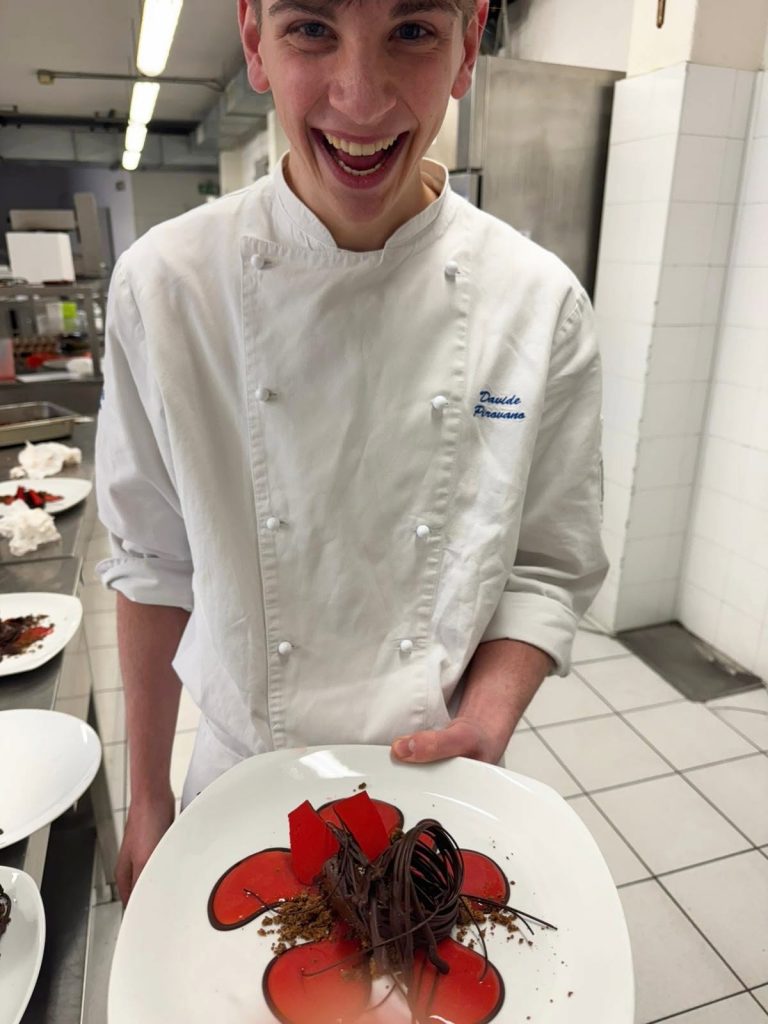
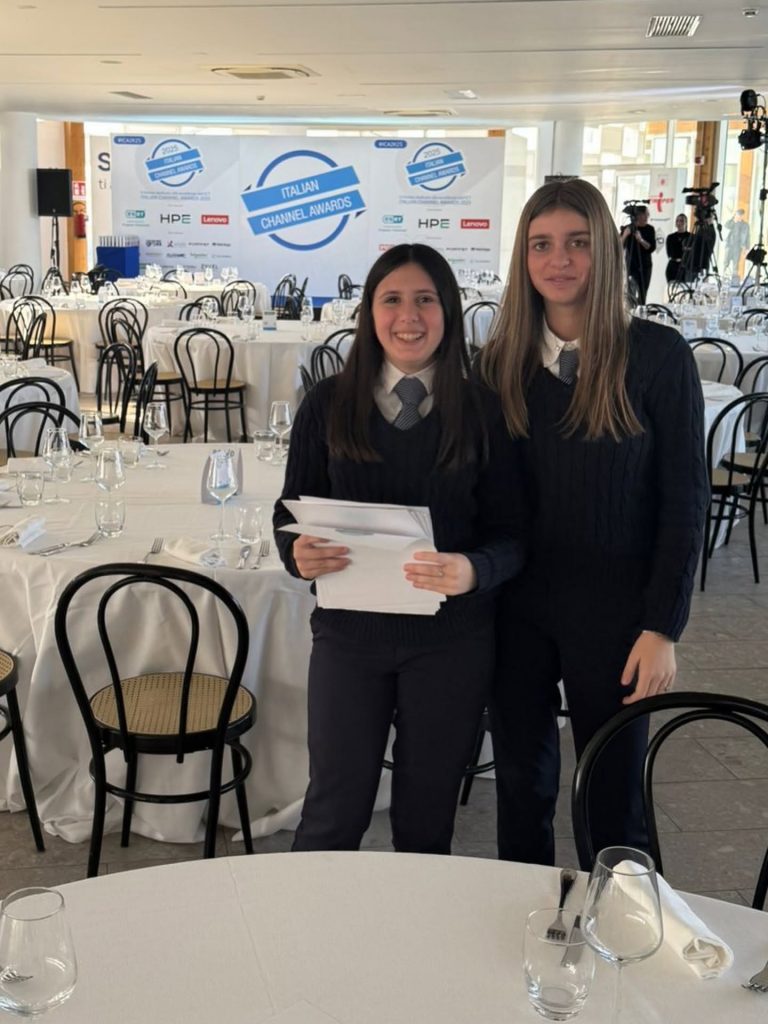
The school’s internally managed cafeteria, the “Al Casnati” training restaurant, the laboratories of the “Gianni Brera” Hospitality Institute, catering and banqueting activities, and collaborations with local organisations together constitute a well-established and stable educational infrastructure in which students actively participate in every stage of the food supply chain—from selecting raw ingredients and preparing meals to food service and customer interaction.
A Wealth of Professional Expertise
Alongside the teachers of the Hospitality Institute, who guide students every day in the kitchen, dining room, reception, training restaurant, catering, and banqueting services, the ERSAF-funded project also leverages the wealth of professional expertise available within Centro Studi Casnati through specific project responsibilities assigned to the school as part of the partnership.
These include ESD supervision of the project, multi-department educational coordination, the design of educational toolkits, audiovisual content and graphic materials, the co-design of events with the stakeholder network, technical and IT support, audiovisual production, communication and dissemination activities, and the reporting of the activities entrusted to Centro Studi Casnati.
During the initial phase of the project, Koinè will provide training for students from the participating schools on agri-food education and sustainability.
The work will then continue through close collaboration between Koinè and the staff of Centro Studi Casnati, who will guide students in designing, producing, and disseminating the materials and outputs planned within the project.
The knowledge developed during the training activities will gradually be transformed into practical tools for engaging both the local community and the wider territory.
Students as Drivers of Change
Between September and December 2026, the project will involve more than one thousand lower and upper secondary school students in a pathway including training activities on agri-food education and food waste, interdisciplinary research projects, inter-school workshops, public dissemination events, the design and production of educational materials, peer education activities involving lower secondary schools, and awareness-raising initiatives addressed to the wider community.
Students will contribute directly to the development of the project’s outputs, drawing upon the specific competences developed within their different educational pathways.
This approach builds on the experience already consolidated by Centro Studi Casnati through previous initiatives, such as the conference “Education and Sustainable Development: Building Territorial Networks to Create Value”, held on 5 November 2024, during which students from different study programmes worked in real and complementary roles—from audiovisual and graphic communication to reception services, workshop facilitation, and event documentation—actively contributing to the creation of the final outputs.
From International Recognition to Local Project Development
The recent inclusion of Casnati for ESD in the Global Schools Program (UN SDSN) Case Study Guide – Volume 3 documented internationally the pathway through which Centro Studi Casnati has progressively integrated sustainability into teaching, school organisation, and relationships with the local community.
The collaboration with Koinè and the new ERSAF project represents a natural continuation of that pathway.
While the international case study describes the educational model developed by Centro Studi Casnati and the principles guiding its evolution, this new project represents one of its practical applications, serving a local partnership dedicated to the co-design and development of new educational initiatives.
Further Reading:
- ERSAF 2026 Ranking of Agri-Food Education Projects:
https://www.ersaf.lombardia.it/2026/05/11/pubblicata-la-graduatoria-dei-progetti-di-educazione-agroalimentare-2026/ - “Against Food Waste”: Presentation of the Project on the Centro Studi Casnati Website:
https://www.centrocasnati.it/index.php/sections/contro-lo-spreco-alimentare/ - Casnati for ESD Among the International Case Studies of the Global Schools Program (UN SDSN):
https://esd.centrocasnati.it/en/2026/07/01/casnati-for-esd-among-the-international-case-studies-of-the-global-schools-program-un-sdsn/
#CasnatiforESD #wearecasnati